Dec 17, 2025
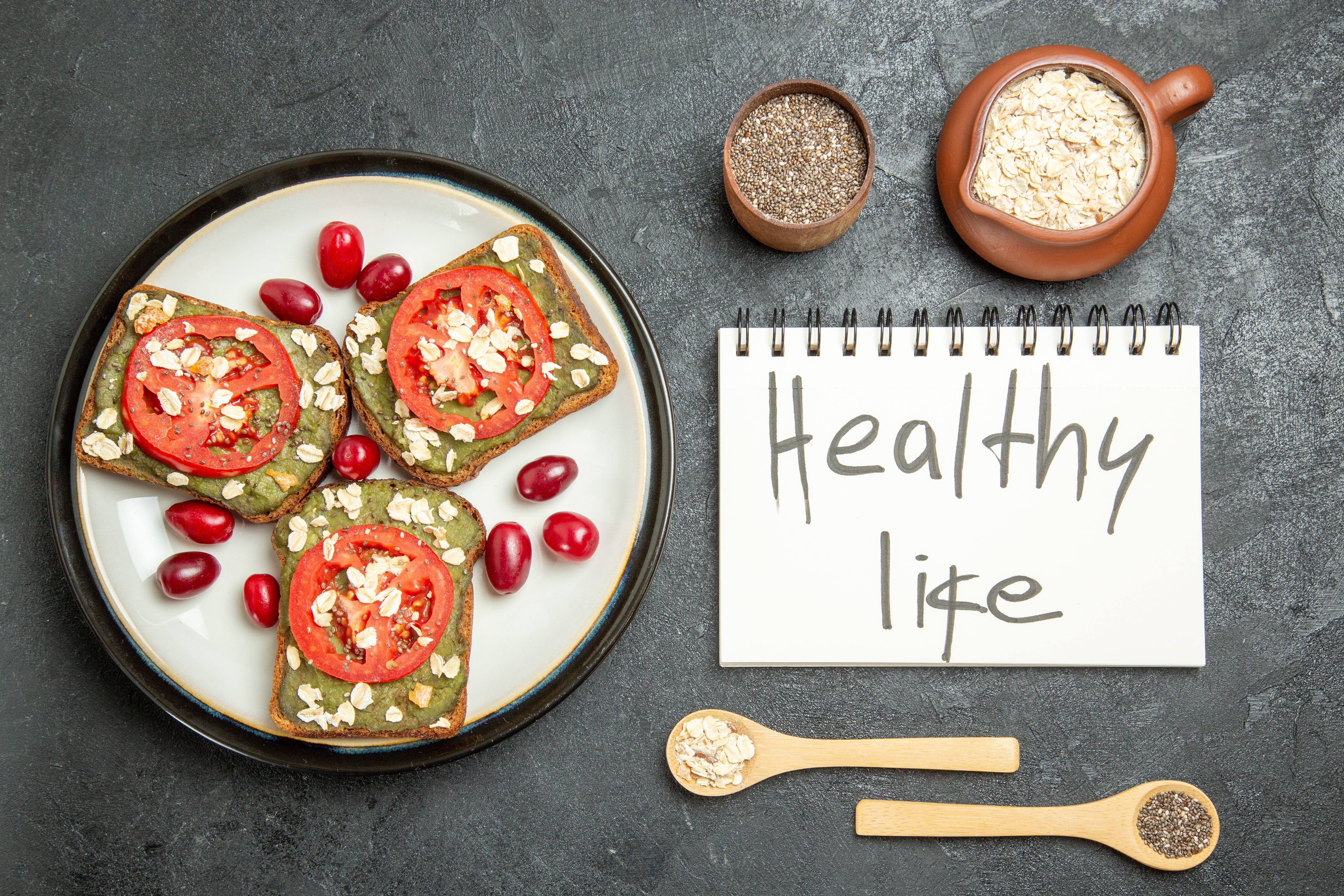
Many individuals focus intently on willpower when navigating behavior change, often overlooking a foundational element: how the food we consume directly impacts how we feel. Mood swings, persistent low energy, and intense cravings are frequently connected to what and when we eat. Understanding and improving your nutrition doesn't make behavior change harder; it actively makes it easier by providing a stable base.
This article explores how nutrition profoundly influences mood, energy, and cravings. Discover practical strategies to support emotional stability and resilience, reframing eating as a powerful tool for well-being rather than a source of control or shame.
Why Nutrition Matters More Than People Realize
The brain and body require a steady, reliable supply of fuel to function optimally. This isn't just about survival; it's about supporting complex cognitive processes, emotional regulation, and physical endurance. Food choices profoundly influence our energy levels, emotional stability, and capacity to tolerate stress.
When eating patterns are irregular or nutrient intake is poor, the body becomes more vulnerable to intense cravings and emotional volatility. When the body is under-fueled or unstable, the brain instinctively looks for quick relief, often in the form of fast-acting sugars or other comfort-seeking behaviors.
The Blood Sugar Connection Explained Simply
One of the most critical yet often misunderstood concepts linking nutrition to well-being is the blood sugar connection. It doesn't require complex calculations to understand its impact.
What Blood Sugar Fluctuations Feel Like
When your blood sugar levels fluctuate rapidly, you might experience a range of uncomfortable sensations:
Sudden fatigue or a significant drop in energy
Irritability or a shorter temper
Increased anxiety or unease
Difficulty concentrating or mental fogginess
Strong urges for quick comfort, often sugary or high-fat foods
How Food Choices Affect Energy
Certain eating patterns are primary drivers of these blood sugar fluctuations:
Skipping meals: This creates large gaps where your body's fuel reserves deplete.
Eating mostly refined or sugary foods: These foods cause a rapid spike, then a crash, in blood sugar.
Large gaps between meals: Similar to skipping meals, prolonged periods without food lead to energy dips.
These patterns create energy crashes that can powerfully trigger cravings, as the brain seeks to rapidly restore equilibrium.
Nutrition and Mood Regulation
Beyond just physical energy, food plays a crucial role in supporting emotional balance.
Energy Stability and Emotional Stability
Just as steady fuel supports consistent physical performance, steady energy levels contribute directly to steadier emotions. When your body has a reliable energy supply, your nervous system is better equipped to handle daily stressors.
Conversely, hunger can amplify stress and emotional reactions, making minor irritations feel overwhelming. Nourishing your body consistently provides a buffer against emotional extremes.
The “Hanger” Effect
We've all likely experienced the "hanger" effect: that unpleasant state where low fuel leads to a short temper, emotional overload, and an increased desire for quick coping mechanisms, whether food or other substances. It’s a clear demonstration of how physiological needs dictate emotional responses.
Food as Emotional Support (Without Shame)
It's important to acknowledge that many people use food or substances to regulate emotions. This is often a learned coping response, developed over time as a way to self-soothe or manage distress. It is not a moral failure or a sign of weakness, but rather an indication that emotional needs are being met in a particular way.
Why Poor Nutrition Can Increase Cravings
Nutrition directly influences the intensity and frequency of cravings, particularly those for less nourishing choices.
The Brain Seeks Fast Relief
When the body is tired, hungry, or stressed, the brain's priority shifts to seeking the fastest possible relief. Substances, sugar, or comfort foods feel incredibly appealing in these moments because they promise a rapid influx of energy or dopamine, offering a quick escape from discomfort. This explains Why Skipping Meals Increases Cravings.
Skipping Meals Increases Impulsivity
Genuine hunger significantly reduces self-control and impairs decision-making. When you're acutely hungry, your brain's prefrontal cortex, responsible for planning and impulse inhibition, is less effective. This makes you more prone to reactive, impulsive choices rather than considered ones.
Dehydration and Cravings
Mild dehydration is often overlooked but can manifest in ways that mimic fatigue or even cravings for food. The body's signals can be ambiguous. Keeping well-hydrated by drinking water regularly is a simple yet powerful step that can prevent unnecessary cravings.
Nutrition and Recovery or Behavior Change
Good nutrition doesn't just manage symptoms; it actively supports your efforts in recovery and behavior change. Regular, balanced meals provide the consistent energy needed for emotional resilience. Better energy levels translate directly into better coping skills, allowing you to navigate challenges with greater clarity and strength. Food, in this context, becomes a profound form of self-care, a way to nurture your body and mind, rather than a tool for strict control. Nutrition doesn’t replace support, but it strengthens it.
Simple Nutrition Habits That Support Mood and Energy
Here are practical, non-diet, non-restrictive tips to support your mood and energy through food:
Eat Regularly
Avoid long gaps between meals. Aim for consistent fuel throughout the day. Even small, nutrient-dense snacks can help maintain stable blood sugar and energy levels.
Balance Meals When Possible
Without needing to count or follow strict rules, try to include a balance of these components in your meals:
Some protein: Supports satiety and steady energy release.
Some carbohydrates: Provides essential fuel for the brain and body.
Some healthy fats: Contributes to satisfaction and absorption of fat-soluble vitamins.
This balance supports steady energy and helps prevent sharp blood sugar spikes and crashes.
Prioritize Breakfast or First Meal
Starting your day adequately nourished can significantly reduce the likelihood of energy crashes and intense cravings later on. It sets a positive metabolic tone for the day.
Stay Hydrated
Keep a water bottle visible and make a conscious effort to drink regularly throughout the day. This simple habit can address fatigue and cravings that are actually signals of thirst.
Gentle Evening Nutrition
Avoid going to bed feeling acutely hungry. A light, easily digestible snack in the evening can support better sleep and reduce the urgency of night-time cravings, which often disrupt rest.
Replacing “Coping Through Substances” With “Coping Through Nourishment”
Reframing nutrition as a supportive tool can be transformative. The act of eating, especially warm, comforting foods, can gently calm the nervous system, providing a sense of safety and grounding. Regular, intentional meals reduce the frantic urgency for quick relief, replacing it with consistent, sustainable support.
This approach aligns powerfully with harm reduction and self-compassion, transforming eating into an intentional act of care rather than a compulsive behavior.
Recognizing Nutrition-Related Warning Signs
Building awareness of your body's signals, without judgment, is a key step. Pay attention to patterns such as:
Strong, unmanageable cravings late in the day
Irritability or significant mood shifts when meals are delayed
Persistent fatigue, especially after eating
Finding yourself turning to substances when hungry or under-fueled
Encourage reflection rather than self-criticism. These are simply signals your body is sending.
What to Do on Busy or Low-Energy Days
Perfection is an unrealistic and often counterproductive goal. On busy or low-energy days, practicality triumphs over strict adherence. Simple, easy-to-prepare foods are perfectly acceptable. Convenience does not equate to failure; eating something nourishing is always better than eating nothing.
Examples of easy, supportive foods include:
Grab-and-go snacks like nuts, fruit, or yogurt
Healthy ready meals or meal kits
Quick smoothies packed with nutrients
Warm, comforting soups
Embracing these options reduces pressure and supports greater consistency over the long term.
Nutrition Is Not About Control or Perfection
It's crucial that food doesn't become another source of stress or anxiety. The goal of using nutrition to support your well-being is not about strict control or achieving a perfect diet. Instead, it's about gentle consistency and making sustainable choices.
Focus on progress, not perfection. Every small, positive nutritional choice contributes to overall stability and resilience.
How Tracking Patterns Can Help
Building awareness of how food, mood, and cravings interact can be incredibly insightful. Noticing these patterns over time allows you to identify triggers and understand your body's unique needs. This awareness can then support better, more informed decisions. The coobi care app, for instance, is designed as a supportive tool that helps foster self-initiative by encouraging the recognition and reflection of changes in behavior and condition. By using such tools, you can identify patterns that contribute to your well-being and make choices that support emotional stability. It's about gaining insight, not about restrictive tracking, empowering individuals globally to take charge of their health.
Conclusion
Understanding the profound link between nutrition, mood, energy, and cravings is an empowering step towards greater well-being. Even small, consistent changes in your eating habits can make a noticeable difference in how you feel day-to-day. Eating regularly and choosing nourishing foods becomes a fundamental act of support for your emotional resilience.
Nourishing yourself is not a discipline; it’s an act of self-care. You don’t need a perfect diet, just enough fuel to consistently support your mind and body. Prioritizing nutrition empowers you to navigate challenges with greater stability and less susceptibility to stress-induced cravings. Discover Simple Nutrition Tips for Emotional Stability and reclaim your energy for a more balanced life.